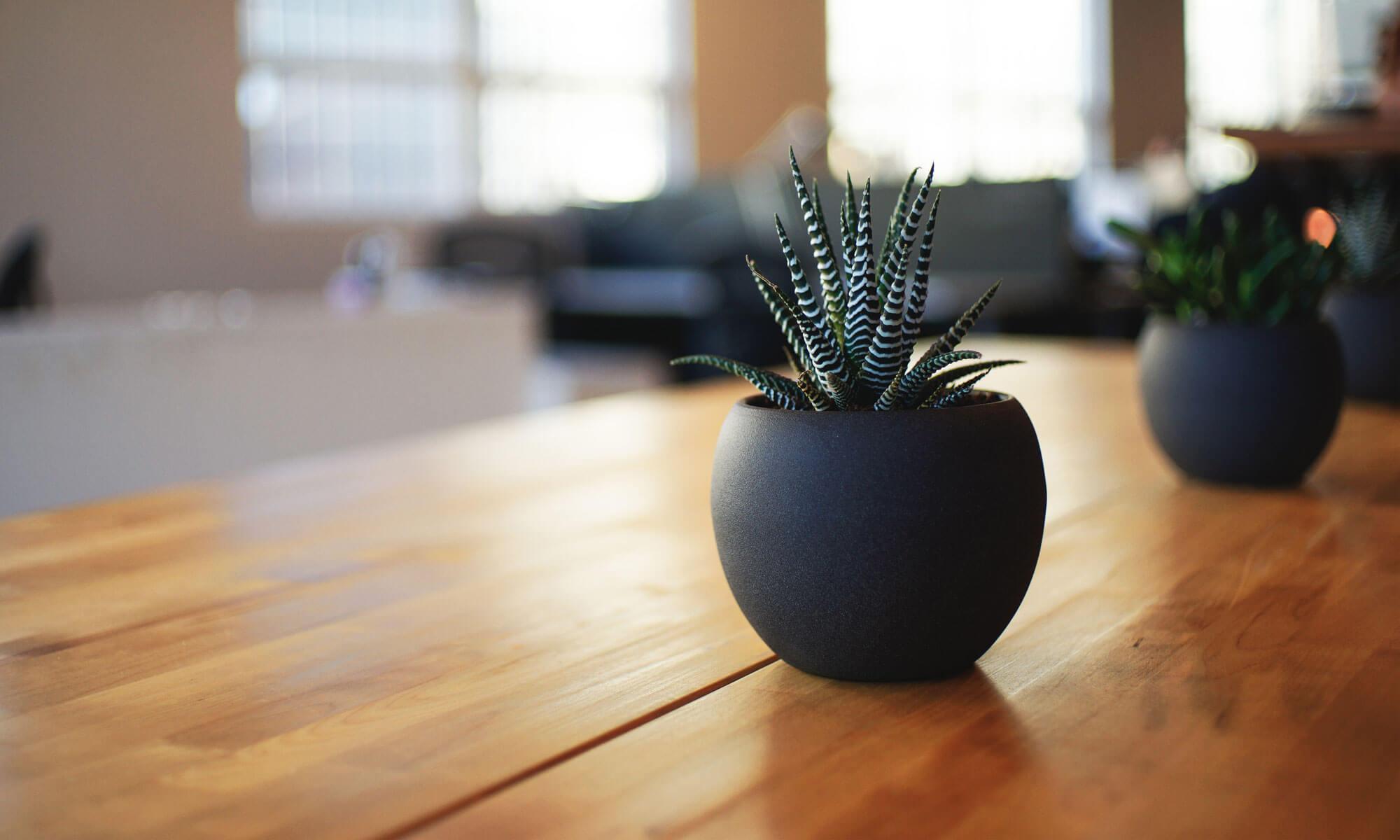
- Beautiful gardens flourish alongside https://wildrobinuk.uk, crafting outdoor spaces youll adore
- Understanding Your Garden’s Microclimate
- Soil Analysis: The Foundation of a Healthy Garden
- Plant Selection for Biodiversity and Aesthetics
- Creating a Pollinator-Friendly Garden
- Garden Design and Layout Considerations
- Water Features and their Integration
- Maintaining a Thriving Garden – Best Practices
- Extending the Gardening Season with Protection
Beautiful gardens flourish alongside https://wildrobinuk.uk, crafting outdoor spaces youll adore
Creating a stunning garden doesn't have to be a complex undertaking. Often, the most beautiful outdoor spaces are born from simple ideas, carefully executed. Many homeowners are discovering that cultivating a vibrant garden is within their reach, even without years of experience. Resources like https://wildrobinuk.uk offer inspiration and practical guidance for transforming any outdoor area into a tranquil and visually appealing retreat. Whether you're starting with a blank canvas or looking to revitalize an existing garden, a little planning and dedication can yield remarkable results.
The joy of gardening extends far beyond aesthetics. It’s a therapeutic activity that connects us with nature, providing a sense of calm and accomplishment. A well-maintained garden can also enhance your property value and provide a habitat for beneficial insects and wildlife. Choosing the right plants, understanding your soil type, and learning basic gardening techniques are all crucial steps towards achieving a flourishing outdoor space. From selecting the perfect flowers to designing a functional layout, the possibilities are endless. Successfully integrating landscaping with your home's architecture can create a seamless transition between indoor and outdoor living.
Understanding Your Garden’s Microclimate
Before you even begin selecting plants, it's vital to understand the unique microclimate of your garden. This refers to the specific conditions within your garden—sun exposure, wind patterns, soil type, and moisture levels—which can differ significantly even within a small area. Assessing these factors will help you choose plants that are best suited to thrive in your particular environment. For instance, a south-facing garden will receive more direct sunlight than a north-facing one, impacting the types of plants you can successfully cultivate. Observing how sunlight moves across your garden throughout the day is a good starting point. Note areas that are consistently shaded, receive partial sun, or are fully exposed. Consider also the impact of nearby structures like buildings and trees, which can create shade or block wind.
Soil Analysis: The Foundation of a Healthy Garden
Soil is the lifeblood of any garden, providing essential nutrients and support for plant growth. Understanding your soil type—sandy, silty, clay, or loamy—is crucial for ensuring your plants receive the right nourishment. A simple soil test can reveal its pH level, nutrient content, and overall composition. These tests are readily available at garden centers or online. Sandy soil drains quickly but may not retain nutrients well. Clay soil, on the other hand, holds water effectively but can become compacted. Loamy soil, a mixture of sand, silt, and clay, is generally considered ideal for most plants, offering good drainage and nutrient retention. Adding organic matter, such as compost or well-rotted manure, can improve the structure and fertility of any soil type.
| Sandy | Excellent | Poor | Succulents, Lavender, Rosemary |
| Clay | Poor | Excellent | Hydrangeas, Astilbe, Hostas |
| Silty | Good | Moderate | Vegetables, Fruits, Shrubs |
| Loamy | Good | Good | Most plants |
Regular soil testing and amendments are essential for maintaining a healthy garden. It’s not a one-time fix, but an ongoing process of nourishing the soil and ensuring your plants have the resources they need to flourish. Proper soil care will dramatically reduce the need for artificial fertilizers.
Plant Selection for Biodiversity and Aesthetics
Choosing the right plants is about more than just aesthetics; it's about creating a biodiverse ecosystem that supports pollinators, beneficial insects, and even wildlife. Consider incorporating a variety of plants with different bloom times to provide a continuous source of nectar and pollen throughout the growing season. Native plants are particularly valuable, as they are well-adapted to the local climate and require less maintenance. They also provide food and shelter for native wildlife. Don't be afraid to experiment with different colors, textures, and heights to create visual interest. Layering plants—placing taller plants behind shorter ones—can add depth and dimension to your garden. Remember to consider the mature size of plants when planning your layout, ensuring they have enough space to grow without overcrowding.
Creating a Pollinator-Friendly Garden
Pollinators, such as bees, butterflies, and hummingbirds, play a vital role in the ecosystem, and attracting them to your garden is a rewarding endeavor. Planting flowers rich in nectar and pollen is the first step. Choose a variety of flower shapes and colors to appeal to different pollinators. Blue, purple, yellow, and white flowers are particularly attractive. Avoid using pesticides, as they can harm or kill pollinators. Providing a source of water, such as a shallow dish with pebbles, can also help attract these beneficial insects. Consider planting host plants for butterflies, which are specific plants that caterpillars feed on. Creating a diverse and thriving garden will naturally attract and support a healthy pollinator population. Resources like https://wildrobinuk.uk can offer detailed plant lists for attracting specific pollinators.
- Plant a variety of flowering plants with different bloom times.
- Choose native plants whenever possible.
- Avoid using pesticides.
- Provide a source of water.
- Include host plants for butterflies.
A pollinator-friendly garden isn't just beautiful; it's also a vital contribution to environmental health, supporting the delicate balance of the ecosystem.
Garden Design and Layout Considerations
The layout of your garden can significantly impact its functionality and aesthetic appeal. Consider how you want to use the space—for relaxation, entertaining, or growing food. Creating distinct zones within your garden can help define its purpose. A seating area can provide a tranquil retreat, while a vegetable garden can supply fresh produce. Pathways should be wide enough for comfortable movement and constructed from durable materials. Integrating hardscaping elements, such as patios, walls, and fences, can add structure and define spaces. Pay attention to the flow of traffic through the garden, ensuring pathways are logical and easy to navigate. Think about incorporating focal points—a striking plant, a water feature, or a sculpture—to draw the eye and create visual interest. A well-designed garden is both beautiful and functional, seamlessly integrating into your lifestyle.
Water Features and their Integration
Water features, such as ponds, fountains, or birdbaths, can add a calming element to any garden. They attract wildlife, provide a source of water for birds and insects, and create a soothing ambiance. When choosing a water feature, consider its size, location, and maintenance requirements. A small pond can be a relatively low-maintenance option, while a larger pond may require more frequent cleaning and upkeep. Ensure the water feature is properly lined to prevent leaks and protected from frost during colder months. Consider adding aquatic plants to the water feature, such as lilies or reeds, to provide habitat for wildlife and enhance its aesthetic appeal. A carefully integrated water feature can transform your garden into a tranquil oasis.
- Choose a water feature that suits your garden's size and style.
- Ensure proper lining and protection from frost.
- Incorporate aquatic plants for habitat and beauty.
- Maintain regular cleaning and upkeep.
- Consider the sound of the water feature and its impact on the ambiance.
The addition of water, even in a small way, can significantly enhance the overall appeal and biodiversity of your garden.
Maintaining a Thriving Garden – Best Practices
A thriving garden requires ongoing maintenance, but it doesn’t have to be a daunting task. Regular weeding, pruning, and fertilizing are essential for keeping your plants healthy and vigorous. Weeding prevents competition for nutrients and water, while pruning encourages new growth and maintains plant shape. Fertilizing provides plants with the nutrients they need to thrive, especially during the growing season. Mulching helps retain moisture, suppress weeds, and regulate soil temperature. Monitor your plants regularly for signs of pests or diseases, and address any issues promptly. Proper watering is crucial, especially during dry spells. Water deeply and less frequently, encouraging roots to grow deeper into the soil. Deadheading—removing spent flowers—encourages continued blooming. Regular maintenance is the key to a beautiful and healthy garden, ensuring it continues to flourish year after year.
Extending the Gardening Season with Protection
Don't limit your gardening to the warmer months! With a little planning and protection, you can extend the growing season and enjoy fresh produce and vibrant flowers for longer. Cold frames, cloches, and greenhouses provide shelter from frost and cold temperatures, allowing you to start seeds earlier and protect tender plants. Using row covers can also protect plants from light frost and insect pests. Selecting cold-hardy varieties of plants can also help extend the growing season. Consider planting winter vegetables, such as kale, spinach, and lettuce, which can withstand colder temperatures. Properly preparing your garden for winter is also crucial. This includes cleaning up debris, mulching plants, and protecting vulnerable plants with burlap or other coverings. Even in colder climates, it’s possible to enjoy a thriving garden for a significant portion of the year. For information on season extension and plant selection, explore resources like https://wildrobinuk.uk.
Gardening is a journey of learning and experimentation. Each garden presents unique challenges and opportunities. Embracing those challenges and continually refining your techniques will lead to a more rewarding and fulfilling experience. Remember to observe your garden closely, learn from your successes and failures, and adapt your approach as needed. The beauty of gardening lies not only in the end result but also in the process of nurturing life and connecting with the natural world. A thoughtful and sustainable approach ensures your garden remains a source of joy for years to come.